

When: 02 - 12 March 2026
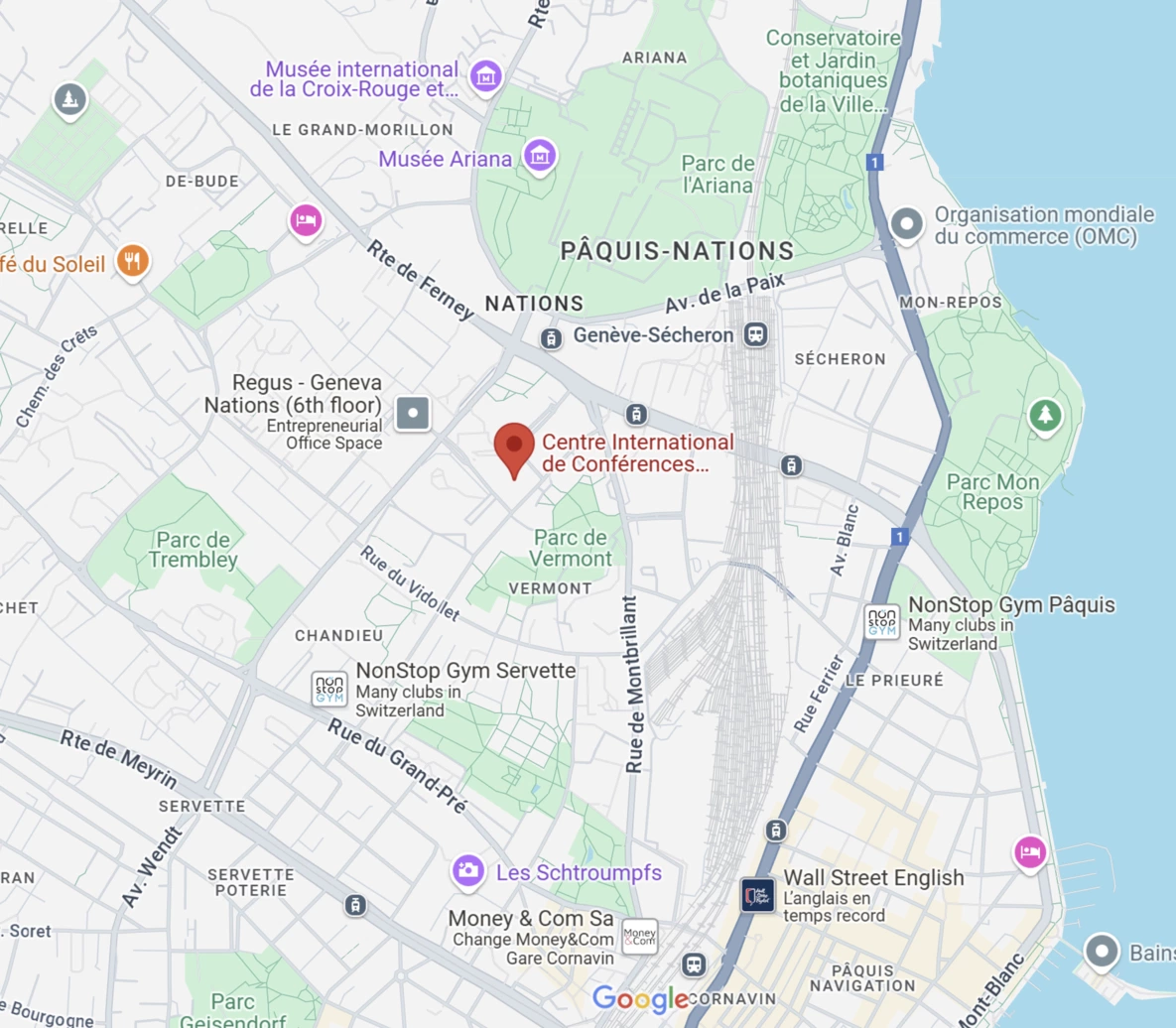
Where: The Centre International de Conférences, Genève (CICG)
OUR SESSIONS
Climate, displacement and durable solutions analysis in Afghanistan (Virtual)

This session will examine the link between climate and displacement in Balkh province, Afghanistan. It will guide audience learning on the use of localised, qualitative data to understand the perspectives, needs, and potential durable solutions for different groupsexperiencing climate shocks and displacement in Afghanistan.
Date: 02 March 2026
Time: 15:00-16:00 CET
How ACAPS’ Risk Radar Supports Forward-looking Humanitarian Decisions (Virtual)

This session explores how climate hazards and conflict dynamics increasingly interact to drive humanitarian needs. ACAPS will introduce the Risk Radar, a forward-looking risk analysis tool that helps identify and monitor emerging risks in settings where climate stress and violence compound one another. Participants will see how the tool translates diverse signals into comparable risk levels and plausible rationales, supporting earlier prioritization and more agile planning for anticipatory action and preparedness efforts in climate-affected conflict contexts.
Date: 03 March 2026
Time: 9:00 - 10:30 CET
Severity Index Unlocked: A Hands-On 101 (Virtual)

To share findings from the ACAPS TFGBV analysis on Yemen and Syria, focusing on the most prevalent forms of TFGBV, who is most vulnerable, and the underlying factors shaping vulnerability. The session will also examine cross country similarities and differences to better understand shared patterns and context specific dynamics.
Date: 04 March 2025
Time: 10:00 - 11:30 CET
Ukraine 2026 Scenarios (Virtual)

To provide humanitarian responders with an interactive, forward-looking analysis of potential developments in Ukraine through December 2026. The session will walk participants through ACAPS’ scenario-building methodology in Ukraine, illustrating how key assumptions are developed, how uncertainties are prioritised, and how expert inputs from our workshops are triangulated to identify likely humanitarian and operational impacts. The presentation will also share emerging signals and contextual insights not yet available in the published scenario report.
Date: 04 March 2026
Time: 16:00 - 18:00 CET
The impact of US-funding cuts on Ukraine (Virtual)

The ACAPS Ukraine Analysis Hub recently realeased an update to our report on the "Implications of the US foreign aid cuts on humanitarian, development, and government-led programmes in Ukraine", published in March 2025. The report was published in December 2025. Whereas the first report attempted to predict the impact of US funding cuts in Ukraine, this update analysed the actual impacts that have taken place over the past year. Our analysis is based on self-reported data from more than 65 organisations (INGOs, CSOs, and UN agencies) operating in Ukraine, as well as dozens of key informant interviews with numerous Ukrainian and international responders and experts.
Date: 05 March 2026
Time: 09:00 - 11:00 CET
Unpacking TFGBV in Protracted Crises: Examples from Yemen and Syria (Virtual)

To share findings from the ACAPS TFGBV analysis on Yemen and Syria, focusing on the most prevalent forms of TFGBV, who is most vulnerable, and the underlying factors shaping vulnerability. The session will also examine cross country similarities and differences to better understand shared patterns and context specific dynamics.
Date: 05 March 2026
Time: 15:00 - 17:00 CET
Pivot or perish: is meaningful humanitarian reform still possible? (Hybrid)

The US aid funding cuts in early 2025 sent shockwaves through the humanitarian sector, yet how have we responded to this disruption? As organizations struggle to do more with less, can this crisis catalyze new organizational forms and innovative approaches? Is a new humanitarian business model emerging, or are we simply repackaging old solutions? Are we still genuinely pursuing localization, or has it become empty rhetoric? This panel tackles the difficult questions facing humanitarian reform in 2026: How do we shift power dynamics in practice? Can the sector truly pivot to meet a rapidly changing world? Join us to explore whether meaningful transformation is possible or if we’re destined to repeat familiar patterns.
Date: 10 March 2026
Time: 09:00 -10:30 (UTC+1), Salle 10
Annihilation: reading the humanitarian future through distortion and decay (Hybrid)

Join us for an immersive session where we rethink our assumptions about how crises emerge and take on new forms. Inspired by Annihilation, we will explore futures that behave unpredictably, where our current systems do not resolve perfectly, and where old logic stops working. This session uses speculative scenarios to open up space for uncertainty, ambiguity, and the discomfort we may want to avoid or overlook. Together, we will test the limits of our current approaches and consider what analysis could look like in environments that evolve beyond our expectations and our wildest imaginations.
Date: 12 March 26
Time: 16:00 -17:30 CET, Pleniere F